What’s Holding Back Green Procurement, and How Can Technology Help?

By Puan Siti Safiah, Director of TenderPintar Sdn Bhd
Blog Overview
Public sector procurement needs to move beyond reacting to supply chain disruptions towards proactively identifying and managing risks. Supplier failures, price volatility, regulatory changes, fraud, logistics disruptions and other risks can affect the continuity of public services.
By combining digital tools, data driven risk monitoring, strategic planning and strong governance, procurement teams can better anticipate disruptions, respond more effectively and build more resilient procurement systems.
Green procurement in Malaysia
Green procurement in Malaysia is the practice of incorporating environmental considerations into the purchasing of goods, services and works. It encourages government agencies and organisations to consider sustainability, lifecycle costs, supplier environmental credentials and resource efficiency alongside traditional procurement requirements.
Procurement as a Sustainability Lever
Governments are among the largest buyers in any economy, often accounting for a significant percentage of national GDP through public spending. This immense purchasing power places the public sector in a uniquely influential position, not only to meet operational needs, but also to shape markets, guide industry behavior, and drive national sustainability agendas.
In recent years, sustainability has moved from being a peripheral concern to a central policy priority. Climate change, resource scarcity, and environmental degradation are no longer abstract global issues, they are immediate challenges with direct economic and social consequences. Against this backdrop, procurement is emerging as a strategic lever for sustainable development.
By embedding environmental considerations into procurement decisions, governments can:
- Encourage industries to adopt greener production practice
- Stimulate demand for sustainable goods and services
- Support national and international climate commitments
In essence, procurement is not just about buying goods and services, but also about considering how they are made and the impact they leave on the environment.
What Are the Main Procurement Risks Public Sector Agencies Face?
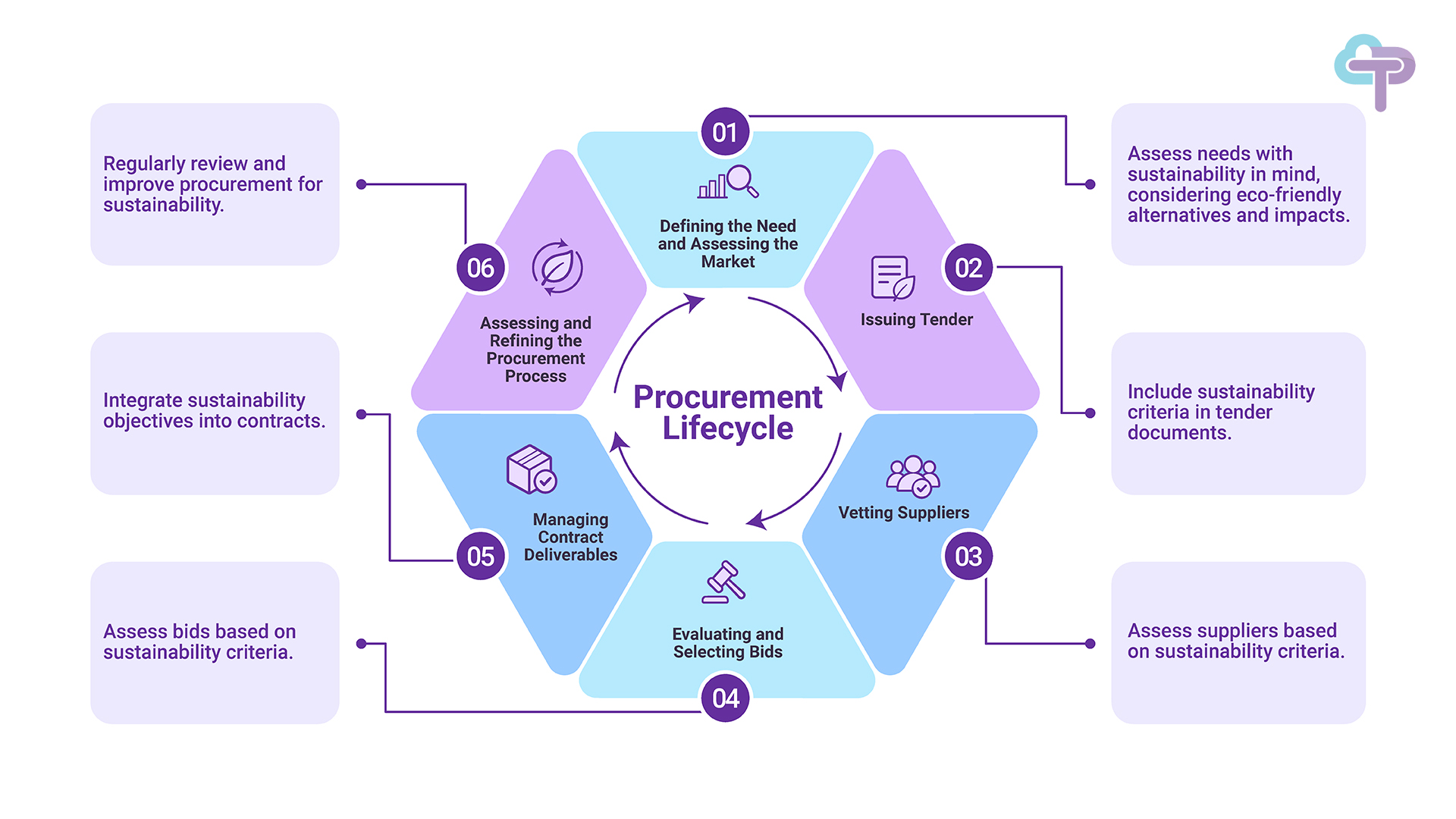
Green procurement, often referred to as sustainable or environmentally preferable procurement, involves integrating environmental criteria into every stage of the procurement lifecycle, from planning and specification to evaluation and contract management.
Unlike traditional procurement, which tends to prioritize upfront cost, green procurement adopts a lifecycle perspective. This means considering:
- Resource extraction and raw material sourcing
- Manufacturing processes and energy consumption
- Packaging and transportation impacts
- Usage efficiency and durability
- Disposal, recycling, or end-of-life management
For example, a government agency purchasing office equipment may choose energy-efficient devices with higher upfront costs but significantly lower operating costs and environmental impact over time. Similarly, in infrastructure projects, selecting sustainable construction materials can reduce carbon emissions and improve long-term resilience.
Green procurement also aligns closely with broader frameworks such as Environmental, Social, and Governance (ESG) principles, reinforcing accountability and transparency in public spending.
How Can Procurement Teams Move From Reactive to Proactive Risk Management?
Despite its clear benefits, implementing green procurement is not without challenges. Many public sector agencies encounter structural and operational barriers that slow adoption.
-
Higher Initial CostsSustainable products and services often come with higher upfront prices, which can be difficult to justify within traditional budgeting frameworks. Procurement officers may face pressure to select the lowest bid, even when it is not the most cost-effective over the long term.
-
Limited Supplier ReadinessIn many markets, especially in developing or transitioning economies, suppliers may lack the capability or certification to meet sustainability requirements. This reduces competition and can lead to procurement delays or higher costs.
-
Lack of Standardized CriteriaOne of the most significant barriers is the absence of clear, standardized guidelines for evaluating sustainability. Without consistent criteria, procurement officers may struggle to assess bids objectively, leading to inconsistencies and potential audit concerns.
-
Knowledge and Capacity GapsGreen procurement requires specialized knowledge—understanding lifecycle costing, environmental certifications, and ESG metrics. Many procurement teams are not yet fully equipped with these competencies.
-
Resistance to ChangeAs with any transformation, there may be institutional resistance. Shifting from traditional cost-based evaluation to sustainability-driven decision-making requires a cultural as well as procedural change.
Addressing these challenges requires a combination of policy direction, capacity building, and digital enablement.
Digital and Policy Enablers
Digital procurement platforms and supportive policy frameworks are critical in operationalizing green procurement at scale.
-
Embedding ESG Criteria into Tender EvaluationModern e-procurement systems allow agencies to incorporate sustainability criteria directly into tender documents and evaluation models. This ensures that environmental considerations are not optional but systematically assessed alongside price and technical capability.
-
Lifecycle Costing ToolsDigital tools can automate lifecycle cost analysis, enabling procurement officers to compare bids based on total cost of ownership rather than just initial price. This shifts decision-making toward long-term value.
-
Transparency and ReportingOne of the key advantages of digital platforms is the ability to generate real-time reports on sustainability metrics. Agencies can track:-> Carbon footprint reductions-> Percentage of green-certified suppliers-> Sustainable spend as a proportion of total procurement
This enhances accountability and supports national reporting requirements.
-
Policy Alignment and ComplianceGovernments can reinforce green procurement through policies, guidelines, and incentives. Digital systems ensure compliance by embedding these policies into workflows, reducing the risk of deviation.
-
Supplier DevelopmentDigital platforms can also support supplier ecosystems by:-> Providing clear sustainability requirements-> Offering guidance and resources-> Tracking supplier progress toward compliance
This helps build a more sustainable and competitive supplier base over time.
Key Takeaways
- Green procurement goes beyond price. It considers the environmental impact and long-term value of goods and services, rather than focusing solely on upfront costs.
- Government purchasing decisions can drive sustainability. By prioritising environmentally responsible products and services, public agencies can encourage businesses to adopt greener practices.
- Implementation remains a challenge. Higher initial costs, limited supplier readiness and unclear evaluation criteria can make green procurement difficult to adopt.
- Digital procurement can make a difference. Technology helps governments evaluate sustainability criteria, track supplier compliance and make more transparent purchasing decisions.
Conclusion
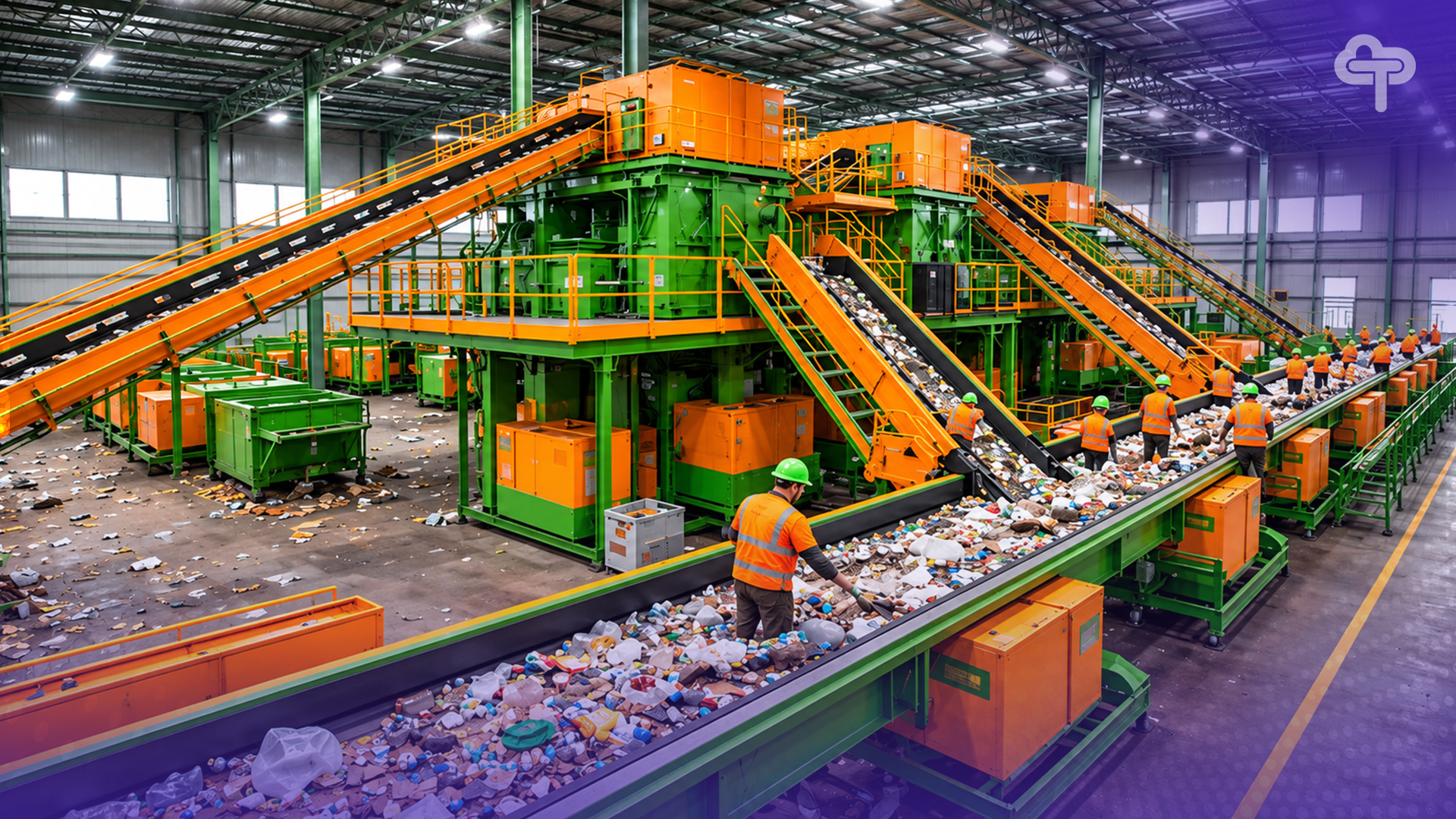
Green procurement represents a fundamental shift in how public sector organizations approach purchasing. It moves procurement beyond transactional efficiency toward strategic impact, where every purchasing decision contributes to broader environmental and societal goals.
While challenges remain, the combination of strong policy direction and digital innovation makes large-scale implementation increasingly feasible. Governments that embrace green procurement are not only improving their own operational sustainability, they are actively shaping markets, influencing industry standards, and driving national progress toward a more sustainable future.
Ultimately, procurement is no longer just a function of cost control. It is a powerful instrument of change, capable of aligning economic activity with environmental responsibility and long-term resilience.
Latest Articles

Vendor Ecosystems: Building Stronger Supplier Relationships Through Digital Procurement
Blog Overview Procurement is evolving beyond one off transactions [...]
From Compliance to Performance: Rethinking Procurement KPIs in the Digital Era
Blog Overview For years, procurement success was measured by [...]